An insurance roof inspection is the visit where your insurance company’s adjuster gets on your roof, measures it, documents the damage, and decides what your policy should pay. At Pride Roofing LLC in Hammond, LA, we help homeowners across Tangipahoa and St. Tammany Parishes get ready for that visit so storm damage doesn’t get missed. Most visits last an hour or two, but that short window shapes your whole claim. Here’s what the adjuster checks, how to prepare, and what to do if the estimate comes up short.
How the Roof Insurance Claim Process Works in Louisiana
The roof insurance claim process follows the same basic path for most homeowners:
- You report the damage. Call your insurer or file online, and write down your claim number.
- An adjuster is assigned. It may be a staff adjuster or an independent adjuster brought in after a big storm.
- The adjuster visits. Your roof gets inspected, photographed, and measured.
- You get a written estimate. It lists covered repairs and the payment amount.
- Repairs begin. Your roofer completes the work and submits documentation for anything the first estimate left out.
Louisiana law sets deadlines insurers must follow, and the Louisiana Department of Insurance can explain your rights if things stall. Keep every email, photo, and receipt in one folder.
What a Roof Insurance Adjuster Looks For
A roof insurance adjuster’s main job is to separate storm damage from normal wear. That distinction decides whether a line item gets paid.
Hail Hits and Bruised Shingles
Hail leaves round dents or soft spots where the protective granules get knocked loose. Many adjusters mark a 10-by-10-foot test square on each roof slope and count the hits inside it. Each carrier sets its own threshold, so a few hits short can mean a repair instead of a replacement.
Wind-Lifted, Creased, or Missing Shingles
Gulf South winds can break a shingle’s seal strip and fold it backward. Even if it lies flat again, the crease line tells the adjuster wind lifted it.
Dented Metal and Collateral Damage
Adjusters check soft metals like gutters, roof vents, drip edge, and even the fins on your A/C condenser. Dents in these parts help confirm hail size and the direction the storm came from.
Interior Leaks and Roof Decking
Ceiling stains, damp insulation, or soft, darkened attic decking all point to water getting past the roof.
Roof Age and Prior Repairs
Your roof’s age, granule loss, blistering, and old patches get noted too. These can affect depreciation or get labeled pre-existing.
How to Prepare for Your Insurance Roof Inspection in Hammond and Covington
A little prep goes a long way:
- Photograph Everything: Take date-stamped photos of the roof, dented gutters, yard debris, and ceiling stains.
- Read Your Policy: Find your deductible, any hurricane deductible, and whether your roof is covered at replacement cost or actual cash value.
- Gather Roof Records: Pull your install date, repair invoices, and warranty paperwork.
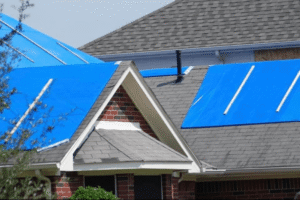
- Make Temporary Repairs: A tarp protects your home and shows you acted to prevent more damage. Keep receipts.
- Clear Access: Unlock gates and keep pets inside.
- Invite Your Roofer: Share the appointment time with your contractor. A second trained set of eyes on every slope matters.
Get a second opinion before the adjuster arrives. Pride Roofing LLC offers a free initial inspection and a free bid, so you’ll know exactly what’s on your roof ahead of the visit. Visit us at 110 E Coleman Ave, Hammond, LA 70403, call 855-PRIDE-16, or request your free roof inspection online.
What Happens During an Insurance Adjuster Roof Inspection
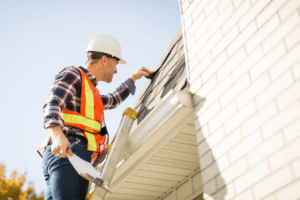
During an insurance adjuster roof inspection, the adjuster usually starts with a walk around the house, checking gutters, siding, and soft metals. Then they get on the roof, or fly a drone if the pitch is too steep. Some will check your ceilings and attic too.
Having your roofer walk the roof alongside the adjuster helps catch damage that’s easy to miss:
- Lifted shingles on the back side of the house
- Cracked or split pipe boots
- Damaged ridge caps and hip shingles
- Bent flashing around chimneys and walls
Your roofer’s job is the repair scope: what’s damaged and what fixing it takes. Coverage and the claim decision stay between you and your insurance company.
Before the adjuster leaves, ask when you’ll get the estimate and write down their contact information.
Actual Cash Value vs Replacement Cost Roof Coverage
Actual cash value vs replacement cost roof coverage makes a big difference in your payout:
| Feature | Actual Cash Value (ACV) | Replacement Cost Value (RCV) |
|---|---|---|
| What It Pays | Replacement cost minus depreciation | Full cost to replace with similar materials |
| Effect of Roof Age | Older roofs get paid less | Age doesn't lower the final amount once work is done |
| How Payment Arrives | Usually one payment | Often two: ACV first, then held-back depreciation after the work |
| Your Out-of-Pocket Cost | Deductible plus depreciation | Usually just the deductible |
Some policies pay roofs on an age-based schedule, so check your declarations page before inspection day.
When a Roof Inspection for an Insurance Claim Misses Damage
A roof inspection for an insurance claim doesn’t always catch everything, especially after big storms when adjusters carry heavy caseloads. A short estimate doesn’t end your claim.
Insurance Claim Supplements
An insurance claim supplement is a request to add items left off the original estimate. Common examples include:
- Drip edge and starter shingles
- Underlayment and ridge cap
- Pipe boots and vent flashing
- Rotted decking found once the old shingles come off
These items get photographed and measured so the repair scope is clear for your insurer to review. If your claim needs a full roof, our roof replacement team handles the job from tear-off to cleanup.
Re-Inspections and Appraisal
If you disagree with the findings, you can request a re-inspection. Many policies also include an appraisal clause for disputes over the amount of loss.
Why Homeowners Choose Pride Roofing LLC After Storm Damage
About 60% of our work at Pride Roofing LLC involves storm-damaged roofs with insurance claims, so we know what adjusters look for. When you work with us, you get:
- Free Initial Inspection and Bid: We inspect your roof and give you a clear bid at no cost.
- Manufacturer Credentials: We’re a Diamond Installer for Atlas Roofing and a Platinum Installer for Owens Corning.
- FORTIFIED Certification: We’re certified to install roofs to the FORTIFIED standard, which is built to stand up to hurricane-force winds.
- On-Hand Inventory: Strong supplier relationships and stocked materials mean most roofs go on in two weeks or less after the contract is signed.
- 1-Year Labor Warranty: Every roof includes it, with upgraded warranty packages available, plus manufacturer warranties on the shingles.
- Licensed and Insured: We’re a Louisiana-licensed residential and commercial general contractor, fully insured, and BBB accredited.
- Clean Job Sites: We clean up after every job and treat your home like our own.
Trusted for Storm Claims Across Tangipahoa and St. Tammany Parishes
Roofs on the Northshore take a beating. Spring hail, summer thunderstorms, and hurricane winds can all hit the same house in one year, while heat and humidity age shingles faster. That’s why adjusters here look so closely at wear versus storm damage.
Local homeowners rely on Pride Roofing LLC because we’re based right here in Hammond. After big storms, out-of-town crews often collect deposits and leave before warranty questions come up. We’ll still be here.
Communities We Serve Around Hammond
We also serve the surrounding communities across Tangipahoa and St. Tammany Parishes.
FAQs About Insurance Roof Inspection
How should Hammond and Covington homeowners prepare for an insurance roof inspection?
Take date-stamped photos of all damage, review your deductible and coverage type, gather your roof records, and give the adjuster clear access. Having your own roofer attend helps make sure every damaged area gets documented. Photograph dented gutters and vents too, since they support hail claims.
What does an insurance adjuster look for when inspecting a roof?
An insurance adjuster looks for hail hits, creased or missing shingles, dented metal parts, and interior leaks, then separates that storm damage from normal wear and age. Many adjusters count hail hits inside a 10-by-10-foot test square on each slope.
Should I be home when the insurance adjuster inspects my roof?
Yes, you should be home if you can, so you can point out damage, answer questions, and get the adjuster’s contact information. Your roofing contractor can also attend and walk the roof with them. If you can’t be there, ask the adjuster to call you before leaving.
How long does a roof adjuster inspection take?
Most roof adjuster inspections take one to two hours, depending on roof size, pitch, and how much damage needs documenting. Large homes with many slopes can take longer. The written estimate usually follows within several days to a few weeks.
What is the difference between actual cash value and replacement cost on a roof claim?
Actual cash value pays to replace your roof minus depreciation for age and wear, while replacement cost pays the full cost to replace it with similar materials. Replacement cost policies often release the held-back depreciation after the work is finished.
Prep for Your Insurance Roof Inspection in Hammond With Pride Roofing LLC
An insurance roof inspection goes smoother when you know what’s on your roof before the adjuster does. At Pride Roofing LLC, we believe a job well done is a job done with Pride, and that starts with an honest look at your roof. Visit us at 110 E Coleman Ave, Hammond, LA 70403, call 855-PRIDE-16, or contact us online to book your free initial inspection.
Recent Blogs: